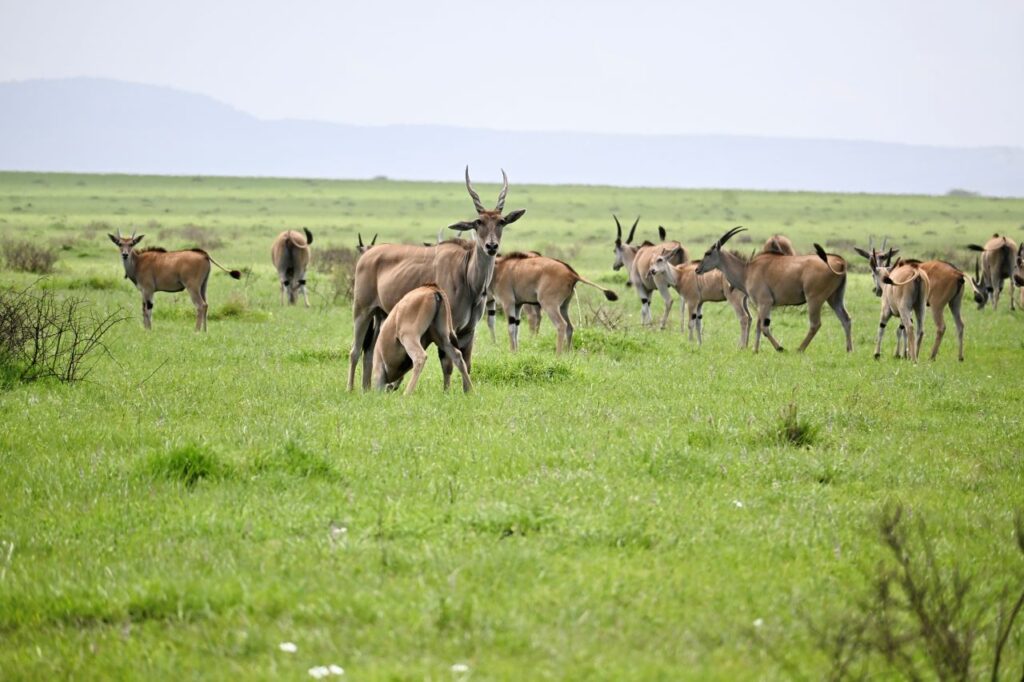
The Great Migration
3 Tours
One of the most awe-inspiring natural events on Earth
This epic migration, driven by the rhythms of seasonal rainfall, forms a powerful cycle of life and survival. It is not a single event but an ever-moving spectacle that plays out over the course of a year, offering different highlights depending on the season and location.
The Migration Calendar
December – March (Calving Season – Southern Serengeti, Tanzania):
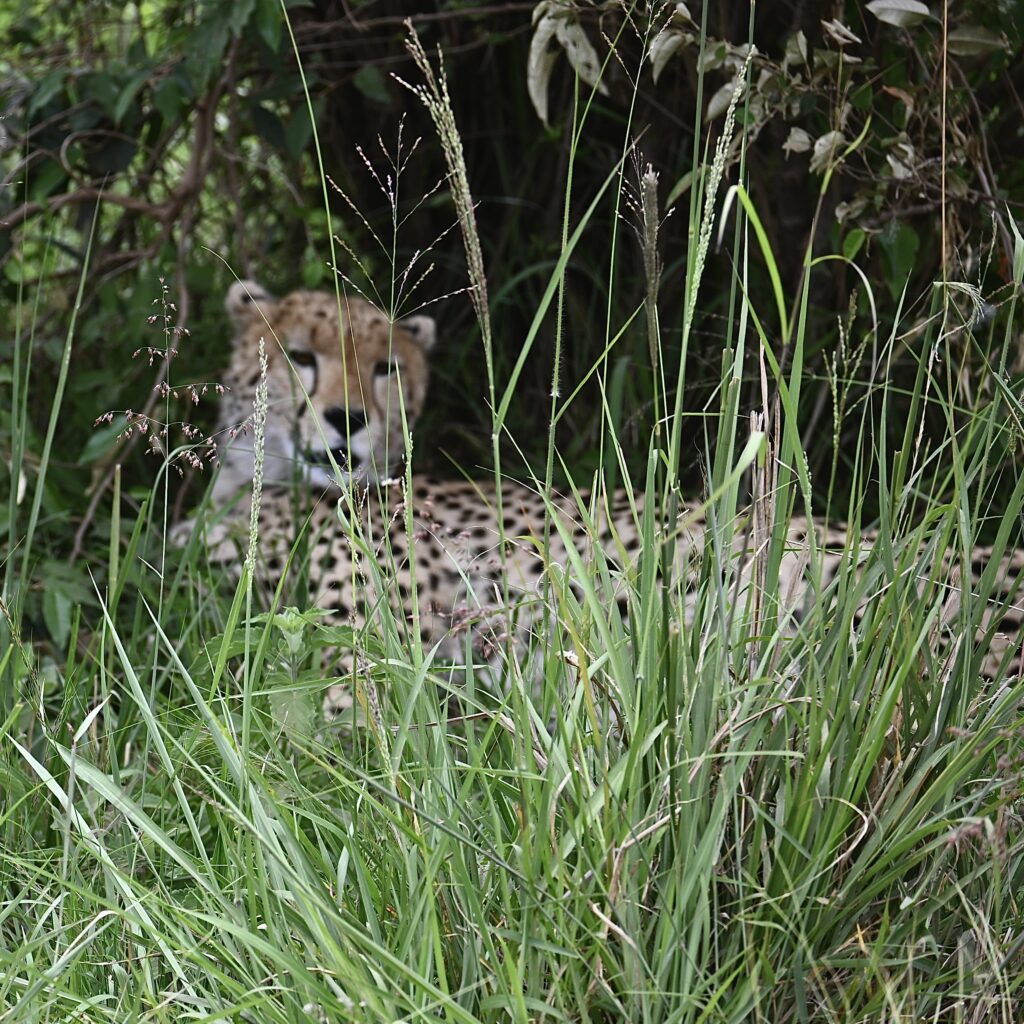
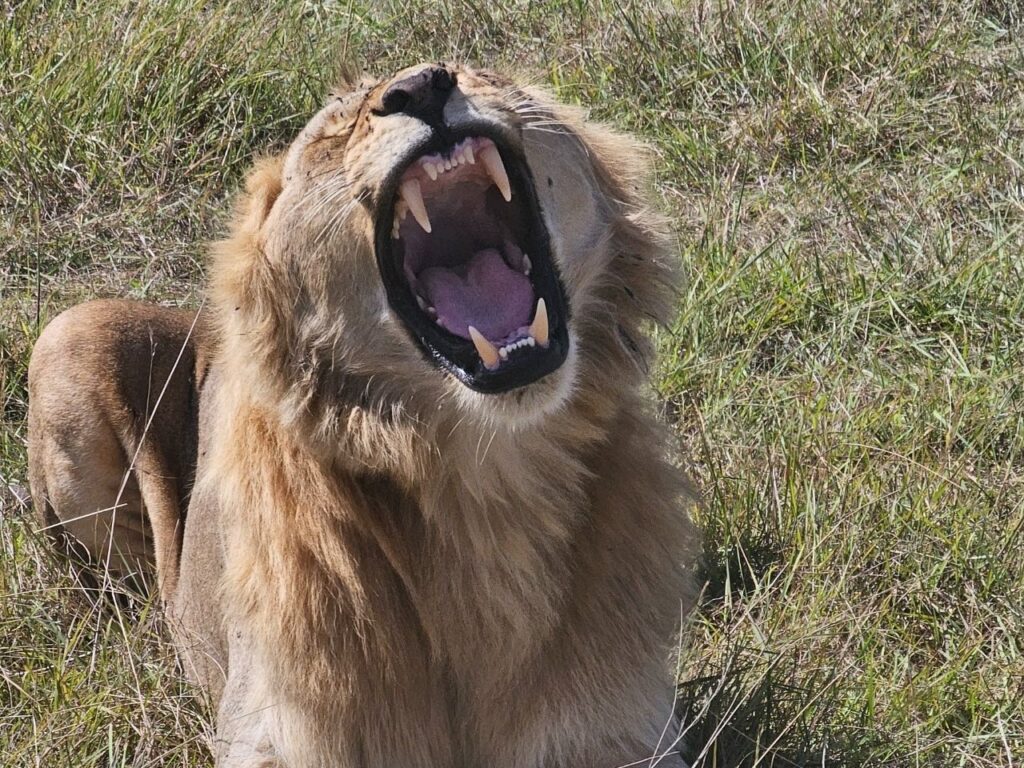
In the nutrient-rich plains of the Ndutu and Southern Serengeti, herds settle for calving. Over 500,000 newborns are born in just a few weeks. This is a prime time for predator action, with lions, cheetahs, hyenas, and leopards on the prowl.
April – May (Green Season – Central Serengeti):
As the rains fall, the herds begin to move slowly northwest through Seronera and Moru Kopjes, leaving behind the calving grounds. This period offers lush landscapes, fewer tourists, and rich photographic opportunities.
June – July (Grumeti River Crossings – Western Corridor):
One of the most dramatic stages of the migration takes place as herds brave crocodile-infested rivers like the Grumeti, attempting dangerous crossings. These months mark the beginning of the migration’s most intense and cinematic scenes.
August – October (Mara River Crossings – Northern Serengeti and Masai Mara, Kenya):
This is the peak migration viewing season. The herds gather at the Mara River, hesitating at its banks before launching themselves into the water — a chaotic, breathtaking spectacle as they face strong currents and waiting predators.
November (Return South – Lobo and Loliondo):
After feeding in the Mara, the herds begin their journey back south through the Eastern Serengeti, making their way once again toward the calving grounds, and the cycle begins anew.
12-Day Tanzania Kenya Uganda Rwanda GreatMigration And Primates
22-Day Gorillas Chimpanzees Great Migration And Hiking