

Multi-Country East African Safaris
The journey across East Africa is not fixed to a single country or strict route. It is flexible and shaped around the experiences you want to include, with a strong focus on the East African Rift Valley—covering Uganda, Rwanda, Burundi, Kenya and Tanzania and parts of eastern Congo near Goma.
The Western Rift Valley sector that streches majorly from Uganda, Rwanda, congo border through burundi, Malawi upto mozambique is defined by dense rainforests, crater lakes, volcanic landscapes, rivers, and waterfalls.
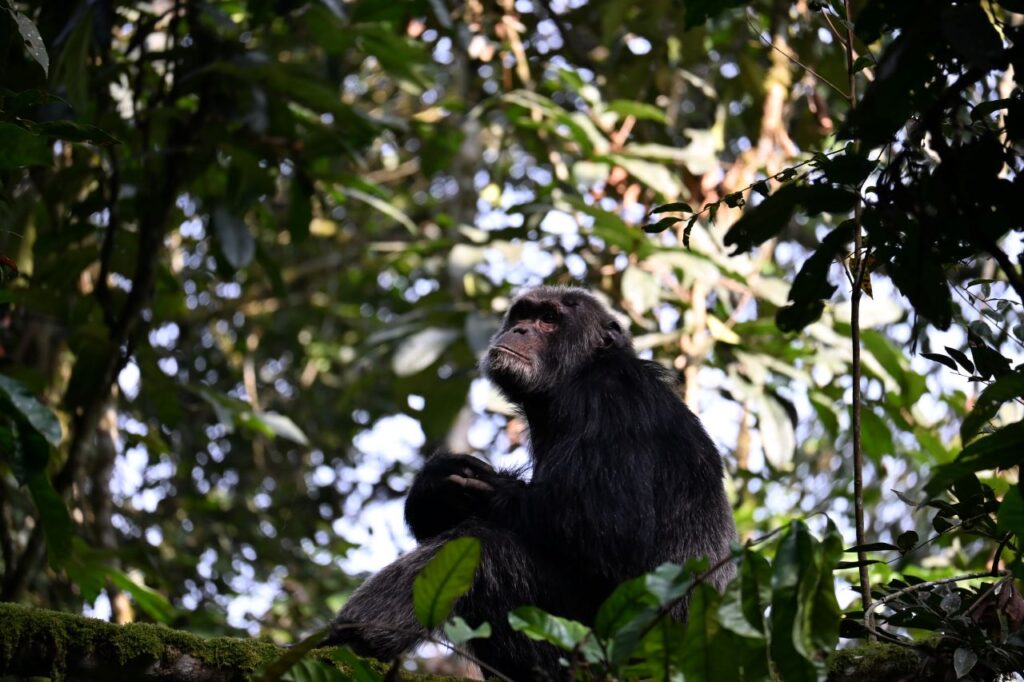
Itineraries are planned to cover forested national parks and highland areas, where activities such as chimpanzee tracking in Kibale Forest National Park and gorilla trekking in Bwindi Impenetrable Forest National Park or Volcanoes National Park take place.
Beyond primates, the experience in this region includes exploring crater lakes landscapes, boat safari experiences, as well as viewpoints across the Congo border near Goma, where volcanic scenery dominates the landscape.
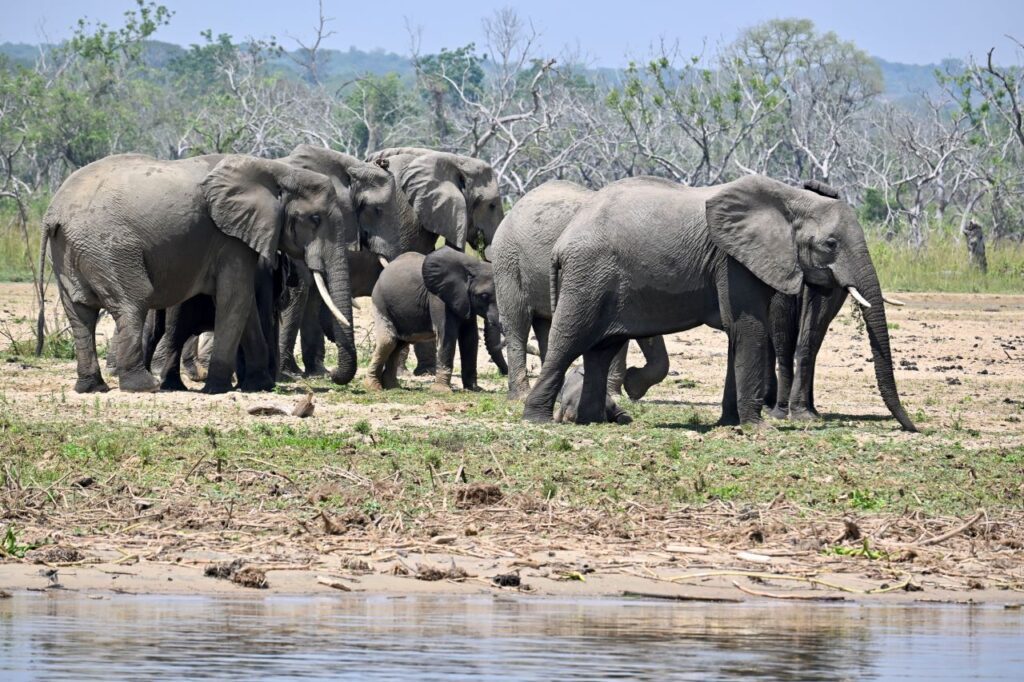
The pace here is more varied, combining guided forest walks, big five safaris, short hikes, cultural visits and time around lakes and rivers. Water features are a constant part of the journey—whether it is waterfalls in forest parks, river crossings, or lakes formed within volcanic craters.
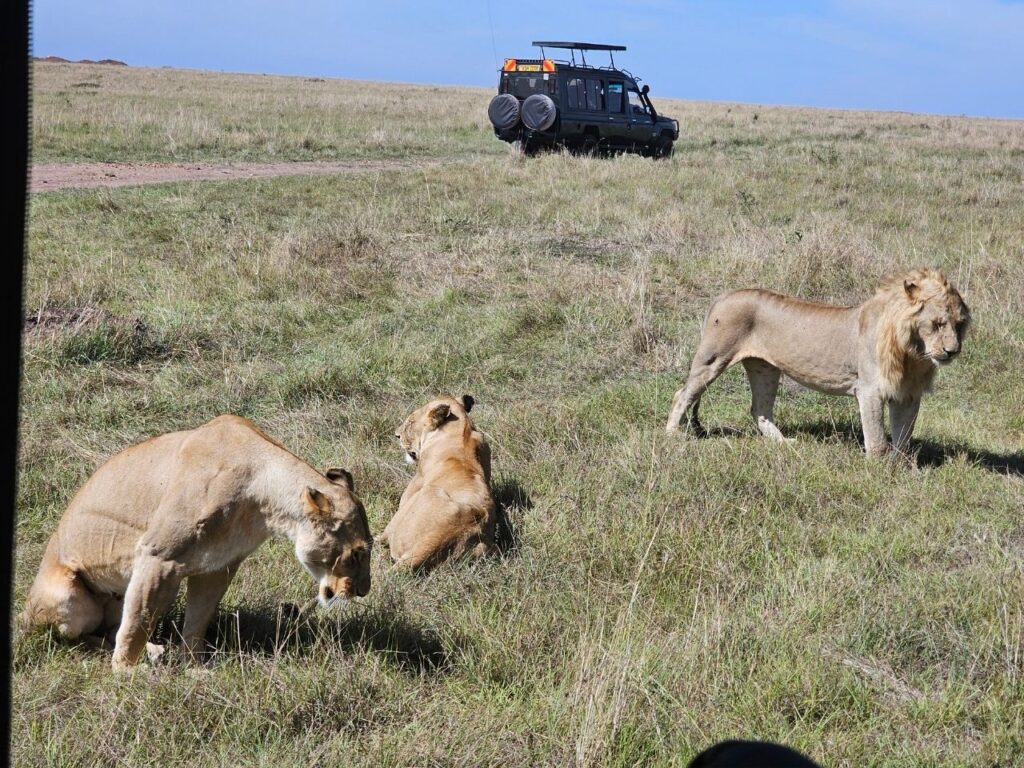
From this western Rift Valley section, itineraries extend to the Eastern section of great East african rift valley where it transforms into open savannahs in Kenya and Tanzania. In those areas, the landscape shifts dramatically into wide plains, where wildlife viewing becomes the focus. This is where destinations like Masai Mara National Reserve, Serengeti National Park and Ngorongoro Crater come in, especially for following the Great Migration depending on the season.
The overall journey remains open and adaptable, but the core of the experience is built around the contrast between the forested Rift Valley landscapes and the expansive savannah ecosystems further east.
The movement of the migration shapes this part of the itinerary. Travel timing determines whether the focus is on river crossings in the Masai Mara, movement across northern Serengeti, or calving season in the southern plains. The safari is adjusted to place you where wildlife activity is most active during your travel period.
Integrating Mountain Hiking into the Safari
Hiking within multi-country safaris is typically designed around one-day experiences rather than multi-day summit climbs.
The focus is on accessible trails that do not require prior hiking experience or technical skills, making them suitable for most travelers who are reasonably active.
These hikes are included to add variety to the journey, offering time on foot in mountain environments without the demands of high-altitude expeditions.
- In the Rwenzori Mountains at the Uganda- Congo border with africa’s third highest peak , day hikes explore the lower slopes, passing through forest trails, rivers, and foothill landscapes.
- Tanzania’s Mount Kilimanjaro, shorter hikes on the lower routes provide a glimpse into the mountain’s rainforest zone without attempting the summit.
- Mount Kenya, guided walks offer views of the peaks and alpine scenery without technical climbing.
These experiences are paced to fit within the safari schedule, usually taking half a day to a full day, and are guided to ensure safety and interpretation of the environment.
Travel Flow and Transitions
The journey is designed to move efficiently between countries using a combination of overland travel and where necessary, short regional flights. Border crossings are planned through commonly used routes to keep transitions smooth.
Each segment is positioned to avoid unnecessary backtracking, allowing the safari to feel continuous rather than fragmented.
Accommodation and Daily Experience
Accommodation varies depending on location, but the emphasis is always on proximity to the activity areas.
In forest regions, lodges are close to trekking starting points. In savannah areas, they are positioned within or near wildlife zones to allow early morning and late afternoon game drives. During hiking segments, the experience remains simple and practical, aligned with the nature of the activity.
Days typically start early, especially for trekking and game drives, with afternoons and evenings allowing time to rest at the lodge.
Rather than visiting isolated destinations, the experience builds step by step—moving from dense forests to wide plains and into mountain environments—providing a broader understanding of the region in a single, well-connected route.
Who These Safaris Are For
These safaris are suited for travelers who:
- Want to cover multiple countries in one journey
- Prefer a structured itinerary that focuses on key highlights
- Are comfortable with an active and fast-moving travel style
- Want to combine primates, wildlife, landscapes, and adventure
Best Time to Travel
Multi-country safaris operate year-round, with timing adjusted to your priorities:
- June to September: Best for wildlife viewing and Great Migration crossings
- December to February: Good for primates, wildlife, and hiking
- March to May: Greener landscapes with fewer travelers
Visa entry Advisory for Multi-Country East African Safaris
Since these journeys involve multiple border crossings, travelers are advised to prepare travel documents in advance before arrival into East Africa.
General travel requirements commonly include:
- A passport valid for at least 6 months
- Yellow Fever vaccination certificate
- Flight and safari itinerary confirmations
- Tour Confirmation Latter from Host Tour Company
Uganda, Rwanda & Kenya
Most of our Uganda, Rwanda, and Kenya safari routes operate under the East African Tourist Visa arrangement.
For travelers starting their safari in Rwanda, the East African Tourist Visa is commonly obtained on arrival at Kigali International Airport at a cost of USD 100.
This visa allows continued travel between Rwanda, Uganda, and Kenya without purchasing separate visas for each country.
Border crossings between Rwanda and Uganda, or Uganda to Kenya, are normally straightforward with immigration passport stamping at the border.
For travelers starting within Uganda, the East African Tourist Visa is processed online before departure from your home country. Airlines traveling to Uganda commonly request a printed visa approval letter before boarding.
Rwanda issues free visas to passport holders from many French-speaking nations under regional and bilateral arrangements. Travelers are advised to always confirm their eligibility and current visa requirements directly at the port of entry into Rwanda or with the nearest Rwandan embassy before travel.
For itineraries beginning in Kenya, Kenyan entry procedures differ depending on nationality and current immigration regulations. Some travelers may require separate Kenyan Visa entry authorization before continuing onward into Uganda and Rwanda under the East African visa arrangement.
When entering Kenya under the East African Tourist Visa arrangement, always ensure that Kenya Immigration places the official East African Tourist Visa sticker in your passport, not just an entry stamp. In some cases, travelers issued only a standard entry stamp may face difficulties when proceeding to Uganda or Rwanda, as immigration officers may not recognize the visa arrangement without the official sticker.
Tanzania
Tanzania operates under a separate visa system outside the East African Tourist Visa network.
For multi-country safaris extending into Tanzania, visas are commonly obtained online before travel or on arrival depending on nationality and border entry point.
Burundi
Burundi visas are commonly issued on arrival at both airport and land borders for many nationalities used within our safari routes.
Visa payments are normally processed through a designated bank payment system at the border, after which an official payment receipt is issued.
Travelers are advised to keep this receipt throughout the journey, as it may occasionally be requested again at a different departure port.
Goma Border Region – Eastern Congo
Some of our western Rift Valley safaris include viewpoints or experiences near the Goma border region from the Rwanda side.
Cross-border entry into Goma depends on the regional security situation and official border accessibility at the time of travel.
As of May 2026, parts of the Goma region remain under M23 administration. Some of our travelers entered from Rwanda and obtained visas on arrival at approximately USD 50, though procedures may change depending on border conditions and nationality.
For travelers planning to include the Congo border region, final guidance is normally confirmed during safari planning before arrival.
Border regulations and visa procedures across East Africa can change periodically, therefore final travel guidance is usually reconfirmed closer to your safari departure date.
Itineraries that Include this Experience
22-Day: Gorillas Chimpanzees Great Migration And Hiking
14-Day Gorilla trekking and great migration safari
13-Day Uganda Rwanda and Burundi: Gorillas, Chimpanzees And Big Five